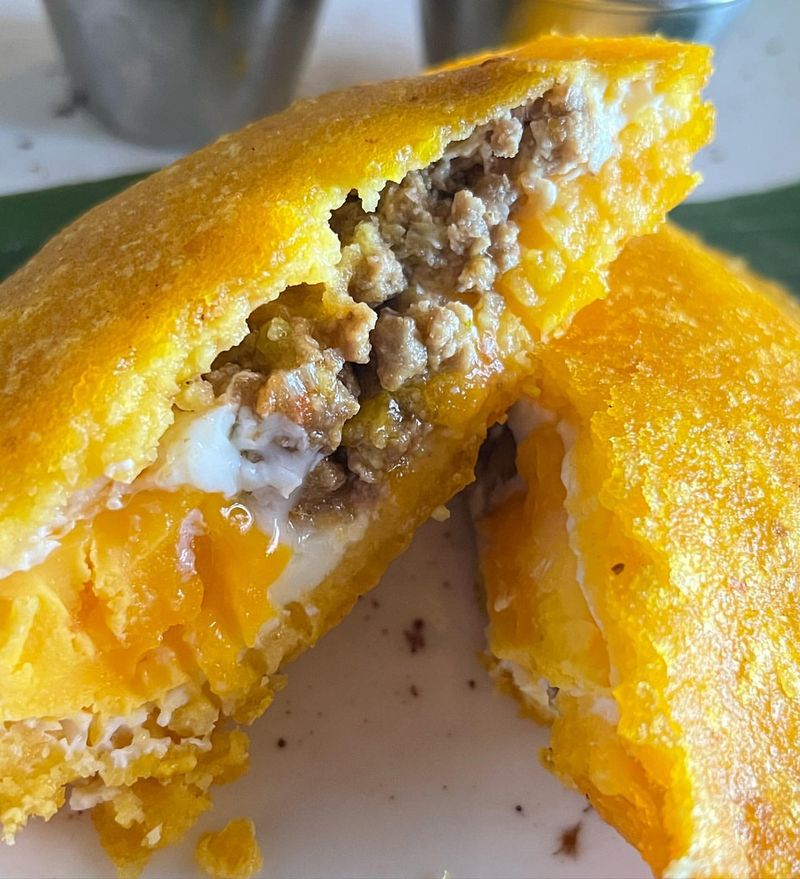
Arepa de Huevo
A deep-fried cornmeal dough stuffed with a whole fried egg inside. Consume immediately while the egg yolk remains runny and the shell is crisp.
Eat it with the provided hogao sauce for added moisture.

Cartagena's street food scene operates on vendor schedules, weather patterns, and the rhythms of the Walled City. This guide covers when vendors are active, which routes work best, and how to structure a tasting route through Centro Histórico without fabricating costs or tour packages.
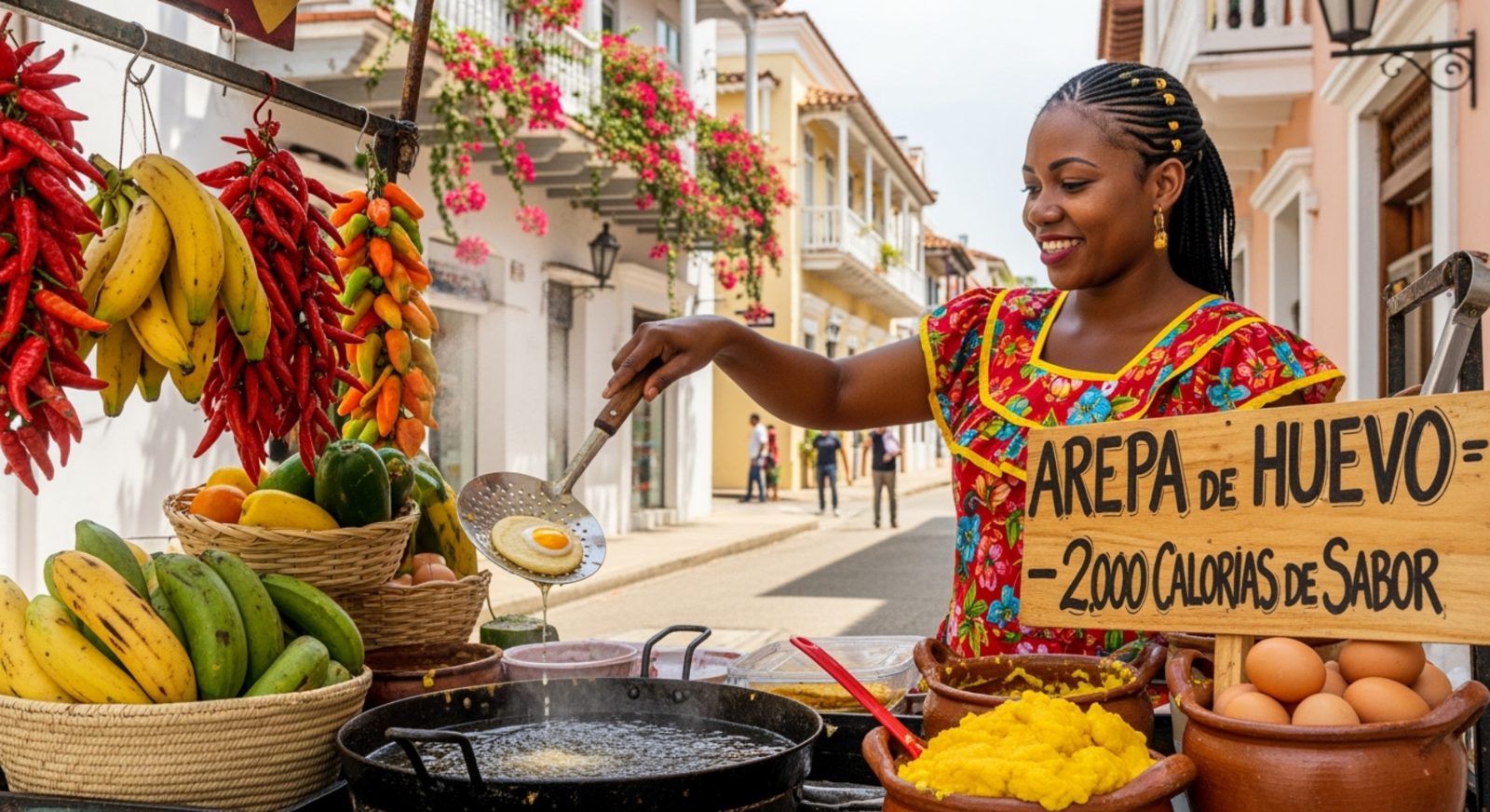
Quick answer
A street food walking tour cartagena functions best between 16:00 and 19:00, when the late afternoon brings cooler air and most vendors in the Walled City have their full offerings ready. Tours are privately arranged services with no public entrance fee; the 0 COP baseline reflects that you pay vendors directly for individual items rather than a gate charge. The route typically loops through Plaza de los Coches, Calle de las Damas, and the perimeter near the Clock Tower.
More than sixty percent of Cartagena's most reliable street vendors set up within a fifteen-minute walk of the Clock Tower, clustering where foot traffic from cruise terminals and hotel zones converges with residential demand. The concentration is not accidental. Centro Histórico's colonial grid funnels pedestrians through narrow corridors where a single corner can host a fritanga cart, a juice stand, and a arepa vendor within ten meters of each other. A street food walking tour cartagena unfolds in the Walled City because the stone walls create microclimates that keep certain blocks cooler after four in the afternoon. Vendors know this. Carts selling carimañolas and empanadas appear along Calle de la Moneda once the shade from the fortifications stretches across the pavement. The timing is not folklore; it is thermal strategy. Fried items hold better texture when ambient temperature drops below thirty-two degrees, and the late afternoon window between 16:00 and 19:00 delivers that margin most reliably. The route from Plaza de los Coches through the callejones behind the Cathedral and out toward the Las Bóvedas archways covers roughly two kilometers if walked directly, but a proper culinary route doubles that distance with detours to specific carts. The palenquera fruit vendors near Santo Domingo, the raspao carts outside the Museo del Oro, and the ceviche stands along the bayside wall do not move. Their positions are inherited, sometimes across generations. That geographic consistency means a food route can be planned with the same reliability as a museum itinerary. Cartagena's street food operates year-round with no seasonal closures, but vendor density fluctuates with weather. Rain does not stop service; it simply shifts it under archways and into covered plazas. The Walled City itself provides enough shelter that even November downpours leave dozens of stalls accessible. What changes is the menu. Soups like sancocho appear more frequently when humidity climbs, while grilled items dominate drier months. The guide's role is to navigate these shifts and interpret vendor signals—a half-empty tray at 18:30 means the item is popular and may not restock, while a full spread at the same hour suggests either a slow day or a secondary location worth remembering.
“The concentration of vendors near the Clock Tower is thermal strategy, not folklore—fried items hold better texture when afternoon shade drops ambient temperature below thirty-two degrees.”
The best arrival window for a street food walking tour in Cartagena is 16:00–19:00. This timeframe aligns with the peak activity of local vendors and more comfortable evening temperatures.
Dry and breezy, 25°C–30°C. Peak season offers consistent vendor activity.
Humid, occasional rain, 26°C–31°C. Transition months provide fewer crowds.
Hot and humid, 27°C–32°C. Frequent afternoon showers may occur.
Verdict: For the most comfortable experience, visit between 16:00 and 19:00 during the months of December to March.
The Walled City of Cartagena remains accessible for street food walking tours throughout the entire week. Tours operate continuously to accommodate various visitor schedules within the historic district.
Street food walking tours take place within the Walled City (Centro Histórico), Cartagena de Indias, Colombia. This area is best accessed by taxi or on foot if you are staying nearby.
Drop-off at Torre del Reloj (Clock Tower Gate)
Navigate to the main gates of the Walled City
TransCaribe to Centro station
Instruct your driver to drop you at the Torre del Reloj, which serves as the primary gateway to the historic center. Once through the gate, the narrow streets are best navigated by foot to reach your designated meeting point.
A walking tour through the Walled City offers a direct look at the diverse culinary traditions of the Caribbean coast. Visitors can sample foundational snacks that define the local flavor profile.
A deep-fried cornmeal dough stuffed with a whole fried egg inside. Consume immediately while the egg yolk remains runny and the shell is crisp.
Eat it with the provided hogao sauce for added moisture.
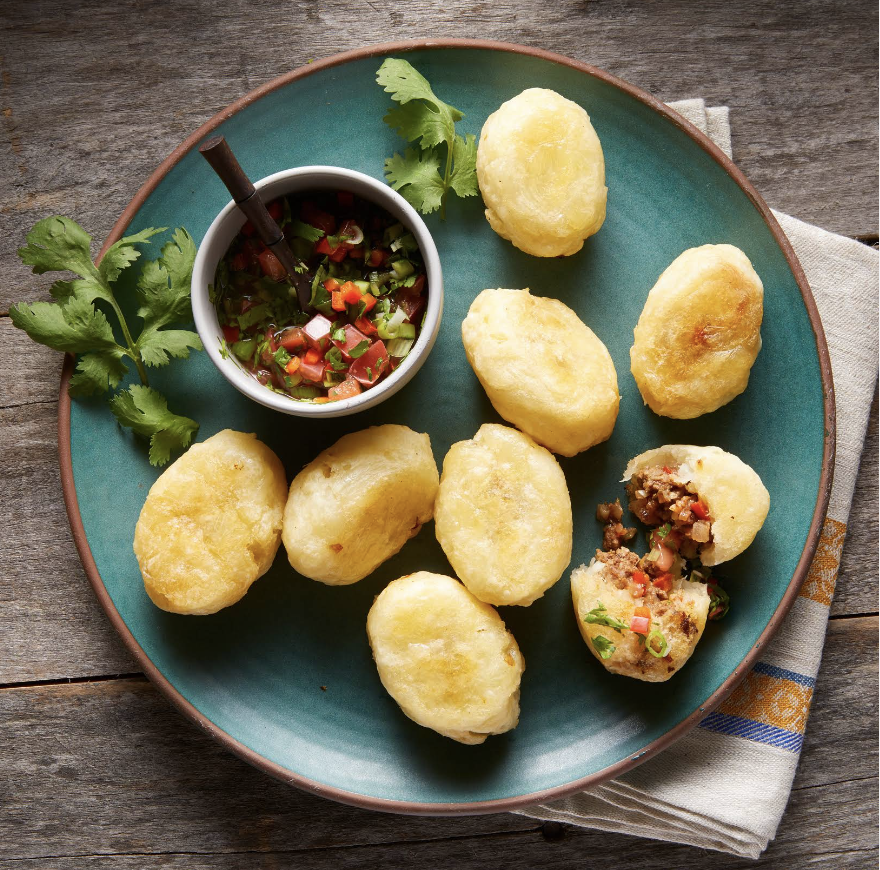
These are torpedo-shaped yuca fritters typically filled with seasoned ground meat or coastal cheese. They are fried until golden brown and often served with a side of spicy suero.
Ask for a small side of suero costeño to balance the saltiness.
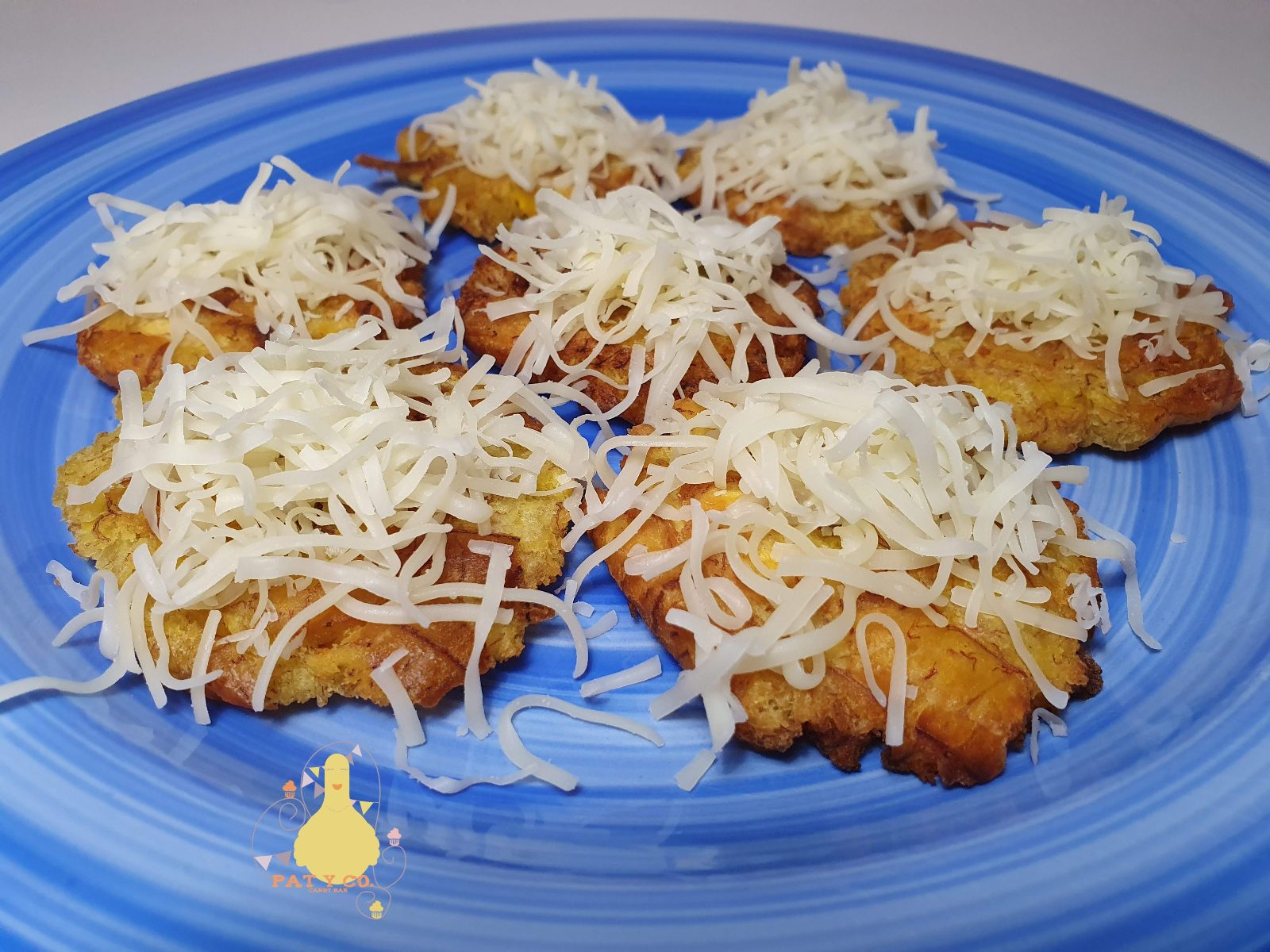
Twice-fried green plantain discs topped with a generous layer of fresh, salty coastal cheese. The contrast between the crunchy plantain and soft cheese is the primary characteristic.
Hold it with a napkin to manage the oil.
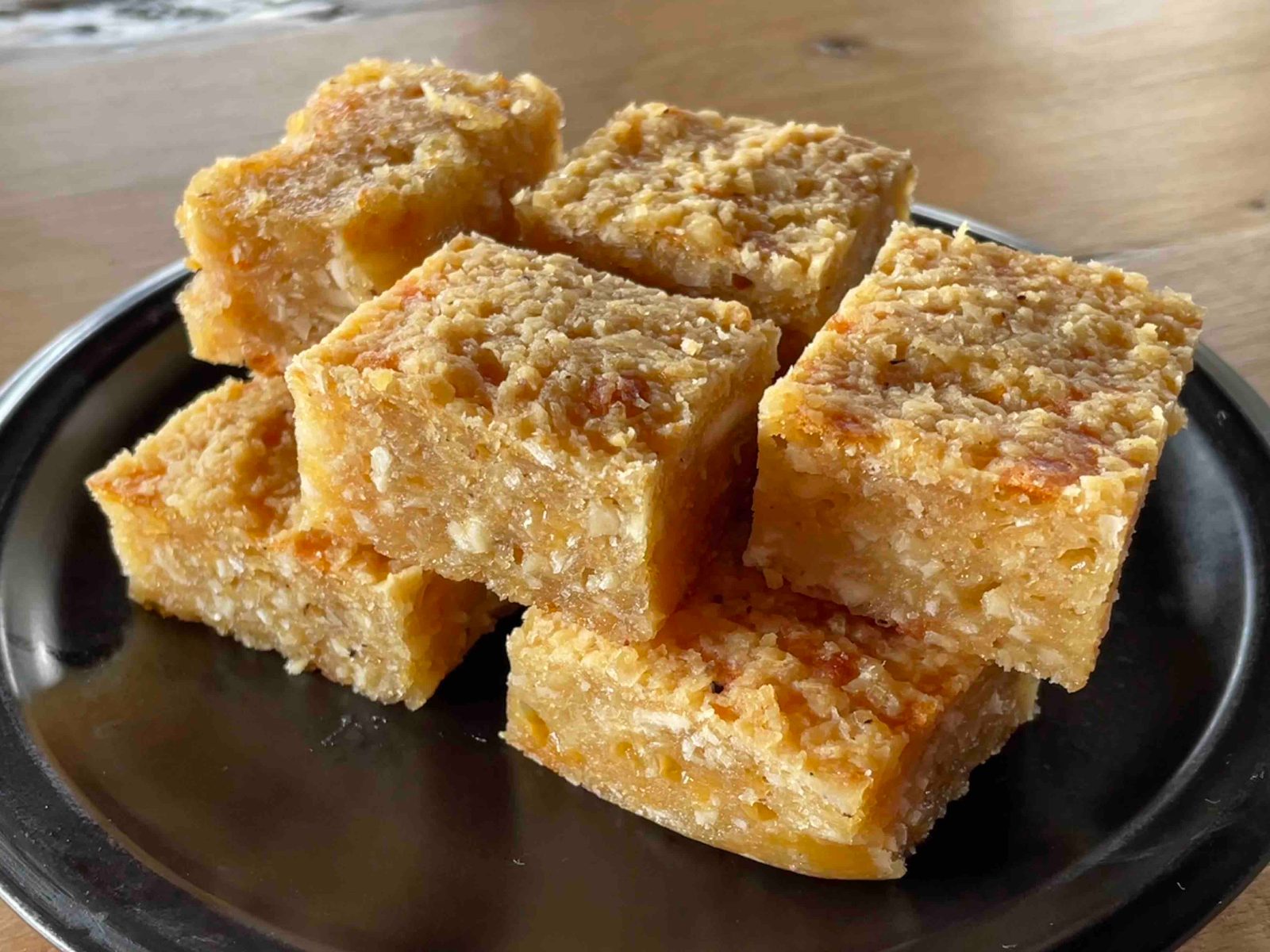
A traditional cake made from yuca, coconut, anise seeds, and sugar, resulting in a dense, slightly sweet texture. This treat is often baked in banana leaves to impart a subtle earthy aroma.
Best enjoyed as a mid-afternoon snack with coffee.

A creamy, custard-like milk dessert prepared by reducing milk and adding cinnamon, raisins, and sometimes rum. It represents the historical influence of colonial dessert traditions in the region.
Request a small portion as it is quite rich.
Practical adjustments to your habits will improve your experience navigating the culinary landscape of the Walled City.
Vendors rarely have change for large bills, so keep plenty of small COP notes in your pocket. This ensures smooth transactions and respects the vendor's time.
Cartagena heat is intense, so carry a reusable water bottle to supplement the drinks you sample. Drink bottled or purified water throughout the tour to maintain energy levels.
Portions can be generous, so feel free to share items with a companion if you want to sample more variety. Vendors are accustomed to groups sharing plates to manage their appetite.
Look for stalls with high turnover where food is cooked to order, ensuring maximum freshness. Use hand sanitizer before eating since you will be handling local currency and food throughout the walk.
A polite greeting in Spanish goes a long way when approaching local carts. Most vendors appreciate the courtesy and are happy to explain the ingredients in their traditional preparations.
Everything you need to know about street food walking tour cartagena
Yes, these tours are generally family-friendly and offer a great way for children to experience local flavors. We recommend checking with individual operators if you have very young children to ensure the pace matches your needs.
There is no public entrance fee of 0 COP for these experiences, as they are private services organized by local guides. You will find that costs vary depending on the inclusions, so it is best to review the specific options available on our booking page.
The optimal time to explore is between 16:00 and 19:00, which allows for cooler temperatures and active vendor stalls. This window ensures you experience the vibrant atmosphere of the city as the evening begins.
While not strictly required, booking in advance is highly recommended to secure your spot with professional guides. This helps ensure your chosen guide can accommodate your group and dietary needs.
These tours predominantly explore the historic Walled City, also known as the Centro Histórico. You will wander through cobblestone streets to visit hidden gems and traditional stalls.
Most local operators can accommodate common dietary restrictions if notified ahead of time. Please verify these details through the provider's specific information section before confirming your place.
Most routes involve moderate walking through the historic district at a relaxed pace. Comfortable footwear is advised for navigating the paved streets comfortably during your outing.